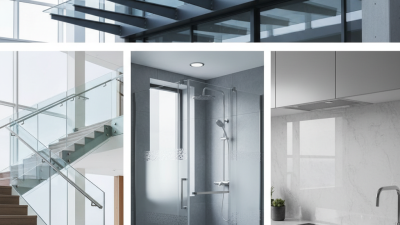
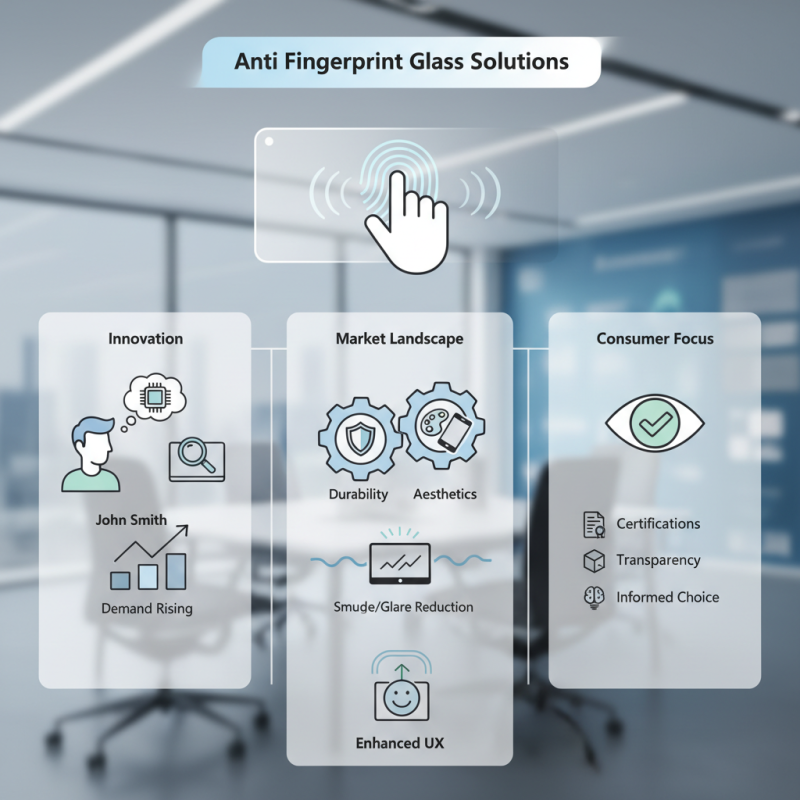
You know, when it comes to glass tech, the buzz around anti-fingerprint solutions is really picking up. I recently read what John Smith from ClearView Innovations mentioned—he’s pretty much saying that the future of touchscreens depends a lot on clever anti-fingerprint glass designs. As more folks catch on to issues like smudges and the need for clearer screens, it pushes manufacturers to get creative and step up their game.
The market’s gotten pretty crowded, and honestly, it can be a bit overwhelming. Some options are built tough—great for durability—while others focus more on looking good. The tricky part? Finding that sweet spot between function and style. Companies like GlassGuard Pro are working on products that don’t just fight fingerprints but also tackle smudges and glare. Still, not everything lives up to the hype, so it’s smart for consumers to really dig into what the claims mean.
And with so many brands out there competing, the industry has to keep reassessing if their products actually work. Some anti-glare, anti-fingerprint glasses out there might not quite live up to their promises. That’s why it’s super important for buyers to look for transparent testing info and certifications. Navigating this stuff can be a pain, but taking the time to be well-informed makes all the difference—so you actually get a product that improves your experience, not just some marketing spiel.
Best Anti-Fingerprint Coating Technologies in 2023: An Overview
In 2023, the demand for anti-fingerprint coating technologies has surged, driven by consumer preferences for cleaner surfaces.
Anti-fingerprint coatings are now essential for various sectors, including electronics and automotive.
According to industry reports, the market for such coatings is expected to grow at a CAGR of 8.5% over the next five years.
This growth indicates a clear trend: users prioritize durability and aesthetic appeal.
The effectiveness of coatings varies significantly. Some technologies offer only minimal resistance to fingerprints. Others promise near-complete protection.
It’s vital for manufacturers to choose advanced formulations to achieve optimal results. The Transparent AF anti-fingerprint coated glass factory leads the way in developing innovative solutions.
Their research indicates that a combination of hydrophobic and oleophobic properties can enhance coating performance significantly.
Yet, not all coatings meet quality standards. Quality control remains a major issue.
Some products fail prematurely or lose their effectiveness. This highlights the need for deeper investigation into the manufacturing processes.
Consumers should be wary of claims that sound too good to be true.
A thorough understanding of coating technologies is essential for achieving long-term satisfaction.
Only through rigorous testing can buyers ensure they invest in products that truly meet their needs.
Market Trends: The Global Demand for Anti-Fingerprint Glass Solutions
The demand for anti-fingerprint glass solutions is rapidly growing worldwide. This trend is driven by the need for cleaner, more sustainable surfaces. Consumers want products that can withstand daily wear, such as smudges and fingerprints. Businesses in various sectors, from electronics to luxury goods, recognize the importance of maintaining a pristine appearance. This glass can enhance aesthetics and longevity.
Market analysis shows that customization plays a crucial role. Buyers are seeking unique solutions that fit their specific needs. Options such as customizing anti fingerprint glass with different water droplet angles can offer significant advantages. These variations can improve user experience by enhancing clarity and ease of cleaning. However, manufacturing such customized solutions may also present challenges. Balancing cost and functionality is essential for success in this competitive landscape.
With increased interest from both consumers and manufacturers, the market is poised for growth. More companies are investing in research to develop better coatings and techniques. Yet, it’s essential to remain cautious. Over-promising on product capabilities can lead to disappointment. Real-world performance must meet consumer expectations, ensuring reliability and long-term satisfaction. As the industry evolves, continuous improvements and user feedback will help shape the future of anti-fingerprint glass solutions.
Comparison of Anti-Fingerprint Coatings: Performance Metrics and Durability
When comparing anti-fingerprint coatings, performance metrics are critical. According to a recent report by the Institute of Materials, high-quality coatings can repel over 90% of common fingerprints. This reliance on advanced technology shows that durability often comes at a cost, affecting long-term performances.
Some coatings exhibit impressive smudge resistance, yet durability can vary. Test results indicate that hydrophobic coatings can lose effectiveness after just 500 wear cycles. Other coatings may withstand multiple abrasion tests but fail to maintain clarity over time. Users should be aware of the trade-offs involved.
Moreover, understanding real-world usage is essential. In a controlled environment, coatings behave differently compared to everyday conditions. Factors like humidity and temperature can impact the effectiveness of these coatings. Reports suggest that while some solutions perform well initially, exposure to various elements might lead to accelerated degradation. Such nuances emphasize the need for thorough evaluation before selection.
Material Innovations: The Role of Nanotechnology in Glass Treatments
Nanotechnology has revolutionized the glass treatment industry, especially in creating anti-fingerprint solutions. Recent reports suggest that the global market for anti-fingerprint coatings is projected to reach approximately $1.5 billion by 2026. This growth is driven by innovations in materials that enhance durability and functionality.
One key aspect is the incorporation of nanoparticles. They form a protective layer that resists smudges and fingerprints, making them ideal for surfaces like the Anti-fingerprint Refrigerator Glass Panel. Meanwhile, research indicates that these coatings can reduce the need for frequent cleaning by up to 80%. Such efficiency is appealing for both consumers and manufacturers alike.
Here are some tips for buyers: Look for products that specify the use of nanotechnology in their construction. Understanding the level of hydrophobic and oleophobic properties is essential. Also, consider the environmental impact of the materials used. Innovations are exciting, but sustainability should remain a priority. Be aware that not all solutions are foolproof; some may wear off faster than advertised, requiring careful evaluation before purchasing.
Cost Analysis: Budgeting for Anti-Fingerprint Solutions for Buyers
When considering Anti-Fingerprint Glass solutions, budget is a crucial factor. Many buyers underestimate the range of options available. Prices can vary widely based on technology and manufacturer. Some advanced coatings may seem costly but offer significant long-term benefits. Choosing a more economical solution could lead to higher maintenance costs over time.
Investing in quality is essential. Cheap solutions might wear off quickly, requiring replacement sooner than expected. This can negate initial savings. Understanding the specific needs for your projects, such as scratch resistance and clarity, can aid in making informed choices.
Additionally, consider the installation costs and potential delays. A lower upfront cost may require more time and expertise during installation. After assessing all variables, weigh the pros and cons of each option. Remember, the goal is to find a balance between cost and performance. Reliable information is vital here, as not all anti-fingerprint glass solutions are created equal.
Cost Analysis of Anti-Fingerprint Glass Solutions
Environmental Impact: Sustainable Practices in Anti-Fingerprint Glass Production
The production of anti-fingerprint glass must consider its environmental impact. Many materials and processes create pollution. The transformation towards greener practices is essential. Sustainable production techniques can significantly reduce waste and energy use.
One effective method is using eco-friendly coatings. These coatings can minimize fingerprints without harmful chemicals. Additionally, recycling materials helps to conserve resources. However, not all manufacturers prioritize sustainability. Some still rely on traditional methods that are detrimental to the environment.
A shift to sustainability requires commitment and education. Consumers should advocate for transparency in production. Understanding where materials come from can guide better choices. Not every solution is perfect. Ongoing discussion about these practices is crucial. Businesses must reflect on their environmental footprints.
Best Anti Fingerprint Glass Solutions for Global Buyers? - Environmental Impact: Sustainable Practices in Anti-Fingerprint Glass Production
| Manufacturer |
Product Type |
Coating Technology |
Environmental Rating |
Recyclability |
Certifications |
| Manufacturer A |
Tempered Glass |
Nano-Coating |
A+ |
Yes |
ISO 14001 |
| Manufacturer B |
Laminated Glass |
Silicone-Based |
A |
No |
LEED Certified |
| Manufacturer C |
Insulated Glass |
Hydrophobic Coating |
B+ |
Yes |
Energy Star |
| Manufacturer D |
Architectural Glass |
Chemical Coating |
A |
Partial |
FSC Certified |
Future Prospects: Emerging Technologies in Anti-Fingerprint Glass Solutions
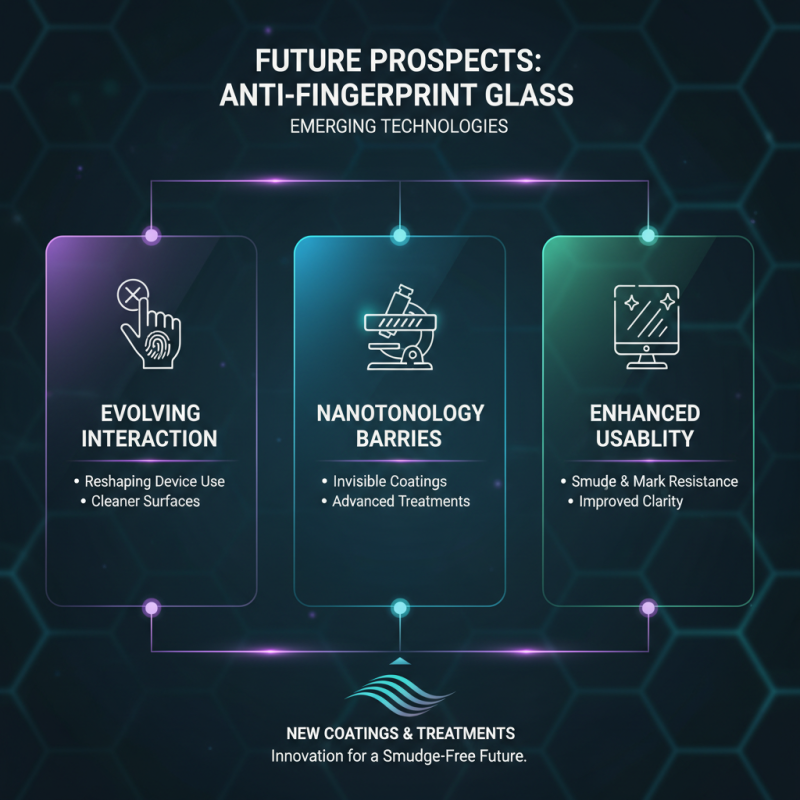
The field of anti-fingerprint glass solutions is evolving. Emerging technologies are reshaping how we interact with devices. New coatings and treatments promise better resistance to smudges and marks. These solutions often utilize nanotechnology to create invisible barriers. Such advancements can lead to cleaner surfaces and enhanced usability.
However, challenges remain. Not all formulations guarantee long-lasting effects. Some may wear off under heavy use. Regular maintenance could still be necessary to keep surfaces pristine. This is a crucial point for manufacturers to address. Even the best technologies must be reliable in real-world scenarios.
Future trends may see further innovations. Research into self-cleaning surfaces is promising. Integrating smart technologies could allow for automatic cleaning features. Increased durability is another focus area. As consumers seek impeccable experiences, the industry must adapt to meet these demands. Striking the right balance between performance and cost will be essential for successful adoption.
Enhancing Security and Convenience: The Impact of Premium 3mm Smart Lock Glass Covers in the Modern Security Systems Market"
In today's modern security systems market, the integration of advanced technology and aesthetic design has become paramount. One of the innovative solutions addressing both security and user convenience is the premium 3mm smart lock glass cover. These high-strength glass panels not only enhance the visual appeal of smart locks but also significantly improve their functionality. According to a recent industry report, the smart lock market is expected to grow at a CAGR of 25% over the next five years, with an increasing demand for products that seamlessly blend security features with sophisticated design elements.
The 3mm thick glass cover is specifically engineered to provide a crystal-clear interface for password keypads and a sleek surface for swiping access cards. This functionality is vital as it allows for quick and easy access while maintaining a stylish appearance. Moreover, the protective qualities of this glass cover ensure that the internal components of the smart lock remain shielded from the wear and tear that often accompanies daily use. As reported by industry analysts, such protective enhancements can prolong the lifespan of smart locks by up to 30%, making them a worthwhile investment for both residential and commercial applications.
With the growing emphasis on security in urban areas, the adoption of premium glass covers for smart locks is becoming increasingly widespread. These products not only offer an added layer of protection but also cater to the consumer's desire for contemporary, elegant design. As the security landscape evolves, features like the premium 3mm glass cover will likely play a crucial role in shaping the future of modern security systems, underscoring the delicate balance between aesthetics and functionality.
FAQS
: Nanotechnology enhances glass treatments by creating coatings that resist fingerprints and smudges.
The market is projected to reach around $1.5 billion by 2026, driven by new material innovations.
They form a protective layer that reduces smudges, making surfaces easier to maintain and clean.
Research shows they can decrease the need for cleaning by up to 80%.
Seek products that utilize nanotechnology and understand their hydrophobic and oleophobic properties.
No, some may wear off faster than expected. Always evaluate the durability before purchasing.
Prices vary greatly; cheaper options might lead to higher long-term maintenance costs.
Low initial costs may come with higher installation expenses, so factor in time and expertise needed.
Yes, while innovations are important, prioritizing environmentally friendly materials is crucial.
They may wear out quickly, resulting in additional replacement costs that can lessen initial savings.
Conclusion
The article titled "Best Anti Fingerprint Glass Solutions for Global Buyers?" provides a comprehensive overview of the advancements in anti-fingerprint glass technologies for 2023. It explores the different anti-fingerprint coating technologies available, emphasizing their performance metrics and durability in various applications. The rising global demand for these solutions is analyzed, alongside the innovative role of nanotechnology in enhancing glass treatments.
Additionally, the article covers important aspects such as budgeting for anti-fingerprint solutions and the environmental impact of their production, highlighting the need for sustainable practices in the industry. Future prospects are also discussed, focusing on emerging technologies that promise to further improve the effectiveness and accessibility of anti fingerprint glass solutions, catering to the evolving needs of global buyers.