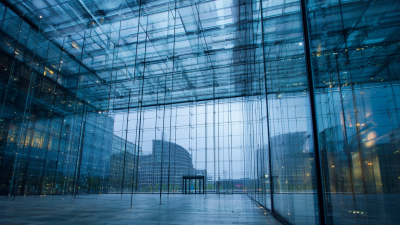
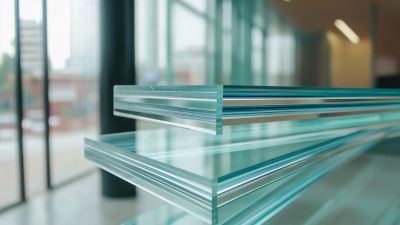
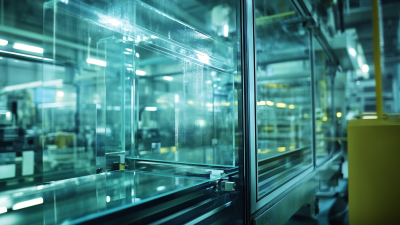
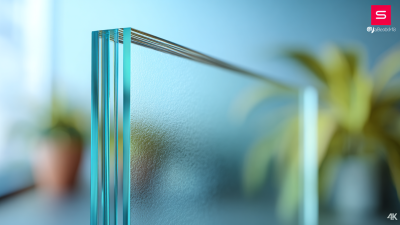
Tempered glass panels have really taken off in modern construction and design these days. I mean, they come with quite a few perks, making them a go-to for all kinds of projects. John Anderson from Apex Glass Solutions puts it pretty well—he says, 'The durability and safety of tempered glass panels can’t be overstated.' That really gives you a sense of why pros in the industry tend to swear by these materials.
One of the biggest reasons people love tempered glass is how strong it is. It offers better protection than regular glass, resisting impacts and hot or cold stresses better, so it’s less likely to break unexpectedly. Plus, they just look sleek and modern, which definitely adds a nice touch wherever you use them. Whether it’s for balustrades, shower doors, or even table tops, they’re super versatile.
And here’s something interesting—antibacterial tempered glass panels are becoming a thing, especially in places like hospitals and kitchens where hygiene is a top priority. You can check out more about them here [link] — they’re pretty neat! But, a quick heads-up: just because these panels have tons of benefits doesn’t mean you can ignore regular maintenance. Good installation quality and picking the right type for your specific project really matter if you want things to turn out perfectly. It’s all about balancing those benefits with some common sense and a bit of attention to detail. Understanding these little nuances can really make all the difference if you’re thinking about using tempered glass panels in your designs.
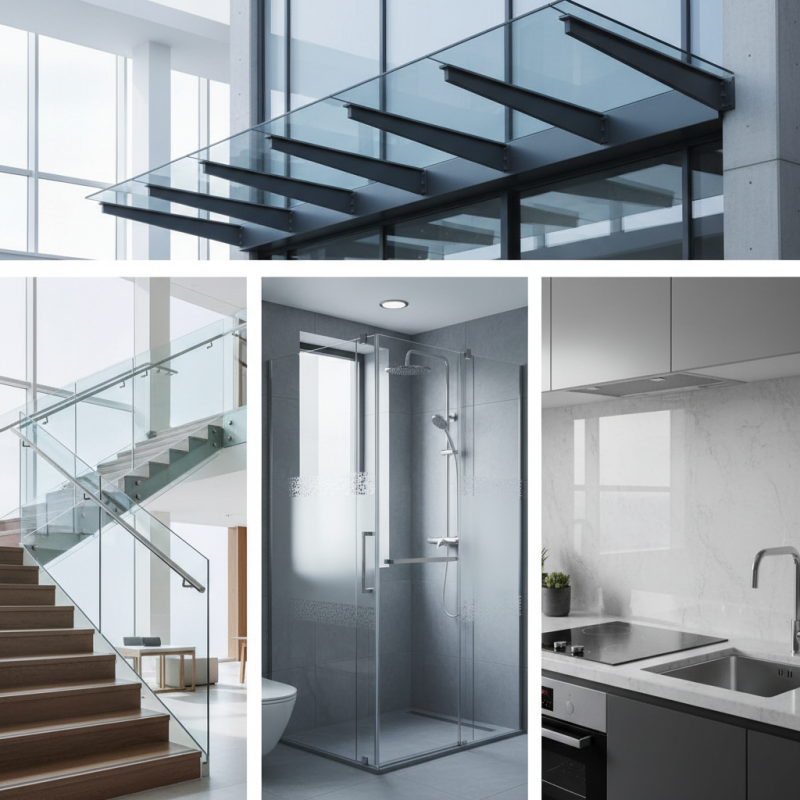
Benefits of Enhanced Safety Features in Tempered Glass Panels
When considering materials for your project, tempered glass panels stand out for their safety features. Tempered glass is heat-treated, making it much stronger than regular glass. Reports show that it is five to ten times stronger than standard glass. This increased strength translates into safer environments, especially in high-traffic areas.
In case of breakage, tempered glass shatters into small, blunt pieces, minimizing the risk of injury. According to safety reports, this characteristic significantly reduces the chances of severe injuries. When implementing tempered glass, it is crucial to consider installation methods to maximize its benefits. Proper frame support is necessary for maintaining its integrity.
Caring for tempered glass is relatively easy. Regular cleaning with non-abrasive materials will keep the panels clear without damaging their surface. However, avoid extreme temperature changes that could weaken the structure. Not all projects require tempered glass, so it's essential to assess whether its advantages align with your specific needs.
Improved Durability Compared to Regular Glass Materials
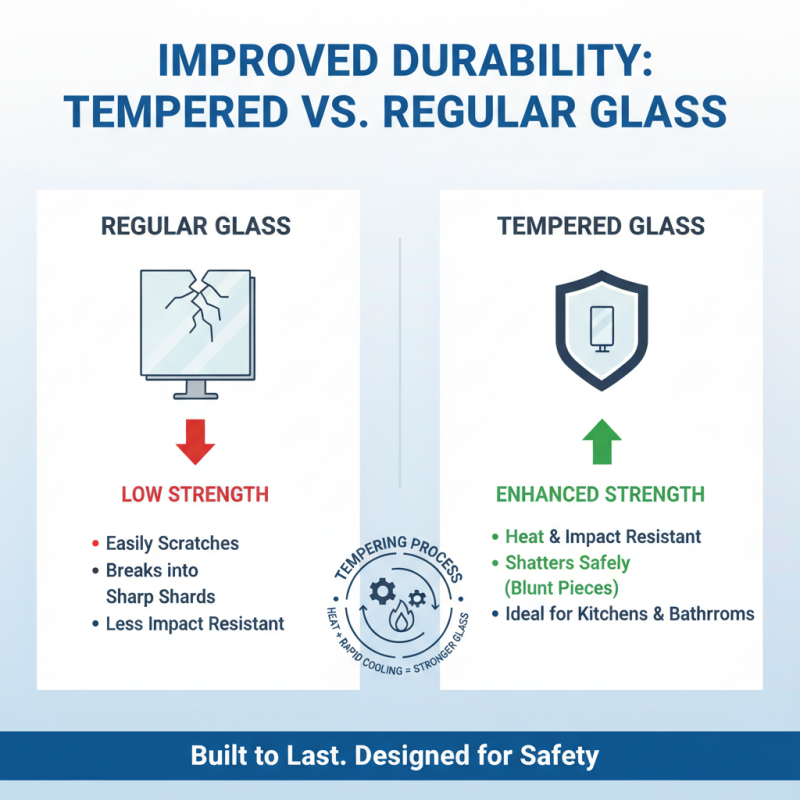
Tempered glass panels offer significant durability compared to standard glass materials. This enhanced strength is vital for many applications, especially in kitchens and bathrooms. The tempering process involves heating the glass to high temperatures and then cooling it rapidly. This creates a structure capable of withstanding greater stress and impacts.
In a busy kitchen or bathroom environment, accidents are bound to happen. A dropped dish or a sudden impact can shatter regular glass, posing safety risks. However, Kitchen and Bathroom Tempered Glass Panels can withstand these situations much better. They are less likely to break or chip, providing a safer alternative. If shattered, tempered glass breaks into small, blunt pieces rather than sharp shards, reducing the risk of injury.
Installing tempered glass panels can result in fewer replacements over time. While the initial cost may be higher, the long-term savings are evident. This choice reflects a more practical investment despite some misgivings about the upfront expense. Ultimately, the benefits of durability stand out, making tempered glass a reliable choice in any design project.
Resistance to Thermal Stress and Temperature Fluctuations
Tempered glass panels offer exceptional resistance to thermal stress and temperature fluctuations. This is crucial in environments where temperatures can change rapidly. For example, they can withstand sudden heat from direct sunlight or the chill from winter winds. This quality prevents glass from breaking or warping, ensuring safety and longevity.
In construction projects, using tempered glass means fewer worries over thermal expansion. Unlike regular glass, tempered versions grant a high level of durability. They are often used in facades, glass doors, and windows. These installations provide a stylish appearance while maintaining strength. However, some may overlook the need for proper installation. Improperly fitted panels could still face issues despite their inherent strength.
The insulation capabilities of tempered glass can reduce energy costs. Homes and buildings tend to maintain a constant temperature. This minimizes reliance on heating or cooling systems. With better insulation, one can also reduce the carbon footprint. Nonetheless, it’s important to regularly check seals and frames. Wear and tear can impact performance over time.
Aesthetic Appeal: Design Flexibility and Transparency Options
Tempered glass panels offer significant aesthetic advantages for various projects. They provide design flexibility that can enhance both residential and commercial spaces. The high degree of transparency allows natural light to flow freely, creating open and inviting environments. According to industry reports, using Glass Panel Tempered materials can increase natural lighting by up to 50%. This not only reduces the need for artificial lighting but can also improve mood and productivity in workspace settings.
The versatility of tempered glass extends to its ability to be customized in various finishes and patterns. This adaptability allows architects and designers to create unique, visually appealing spaces that reflect the desired style. Textured or frosted options can provide privacy while maintaining light transmission. However, choosing the wrong finish can lead to unintentional reflections or glare, prompting reevaluation.
Moreover, tempered glass panels are often celebrated for their safety and durability. They undergo a process that makes them stronger than standard glass, reducing the risk of breakage. Yet, it is crucial to recognize that improper installation could compromise these benefits, leading to potential hazards. Understanding the nuances of installation and application remains essential for maximizing the potential of glass panel tempered solutions.
Energy Efficiency and Insulation Advantages of Tempered Glass
When considering modern construction materials, the benefits of using tempered glass panels are significant. In particular, energy efficiency stands out as a primary advantage. A Clear Tempered Glass Panel can enhance insulation in residential and commercial spaces. By minimizing heat transfer, these panels keep interiors cool during summer and warm in winter, reducing energy consumption.
The superior thermal performance of tempered glass can lead to lower utility bills. Double or triple glazing is often linked with improved energy savings. However, the challenge remains in choosing the right configuration for specific climates. While tempered glass offers strong insulation properties, its effectiveness can vary based on installation. Poorly sealed edges may negate these advantages.
Beyond thermal efficiency, tempered glass provides security and durability. It resists impact and shattering, making it ideal for high-traffic areas. However, it is crucial to consider the trade-offs. While sturdy, improper handling or installation can lead to costly replacements. Evaluating these elements ensures informed decisions for any project involving clear tempered glass panels.
Ease of Maintenance and Cleaning for Long-Term Use
tempered glass panel
are increasingly favored in various projects due to their exceptional ease of maintenance. Unlike traditional glass, they resist scratching and staining, which significantly reduces the cleaning effort. A report by the Glass Association indicates that surfaces made from tempered glass maintain their clarity longer than those made from regular glass. This durability can enhance both the aesthetics and longevity of your installations.
When it comes to cleaning, tempered glass panels require minimal upkeep. Simple solutions like vinegar and water are often sufficient. This stands in stark contrast to porous materials, which may harbor bacteria and dirt. A study from the National Association of Home Builders (NAHB) suggests that materials requiring less maintenance can lead to cost savings over time. Ease of cleaning also means that your spaces remain presentable with less effort.
However, achieving a spotless finish can still be challenging. Improper cleaning methods may lead to streaks or cloudiness. Users often overlook this aspect, thinking tempered glass is immune to such issues. It's essential to understand that while tempered glass panels facilitate ease of maintenance, the right cleaning techniques are critical to retaining their visual appeal over time.
Environmentally Friendly Manufacturing Processes of Tempered Glass
Tempered glass panels are becoming popular in construction and design. One key aspect is their environmentally friendly manufacturing process. The production involves heating glass to high temperatures, making it stronger and more resistant. This process generates less waste compared to traditional methods.
Using recycled materials in glass production also reduces energy consumption. This not only conserves raw materials but also mitigates environmental impact. Additionally, tempered glass can last longer than regular glass. This durability cuts down on the need for replacements, further benefiting the environment. However, some processes still require significant energy input. Exploring alternative energy sources for manufacturing could enhance sustainability.
While the benefits are clear, there are challenges. The initial cost of tempered glass can be higher, which may deter some projects. Educating clients about long-term savings is crucial. As the industry evolves, finding balance between efficiency and eco-friendliness must remain a priority. Continuous improvement in manufacturing processes is essential for a sustainable future.
Top 10 Benefits of Using Tempered Glass Panels for Your Projects
| Benefit |
Description |
| Safety |
Tempered glass is much stronger than regular glass, making it more resistant to impact and breakage. |
| Thermal Resistance |
It can withstand high temperatures and sudden temperature changes without shattering. |
| Energy Efficiency |
Tempered glass can enhance energy efficiency by reflecting heat and reducing air conditioning costs. |
| Aesthetic Appeal |
It adds a sleek and modern look to buildings and interiors. |
| UV Protection |
Tempered glass blocks harmful UV rays, protecting furnishings and interior finishes. |
| Sustainability |
The manufacturing process is often more environmentally friendly compared to other materials. |
| Low Maintenance |
Requires minimal cleaning and maintenance compared to other surfaces. |
| Versatile Applications |
Ideal for a variety of applications including facades, glass doors, and shower enclosures. |
| Heat Resistance |
Better heat resistance compared to standard glass, making it suitable for diverse climates. |
| Increased Property Value |
Using high-quality tempered glass can enhance the aesthetic and functional value of properties. |
Enhancing Outdoor User Experience: A Data-Driven Analysis of 32-55 Inch AG Glass Kiosk Displays for Optimal Readability
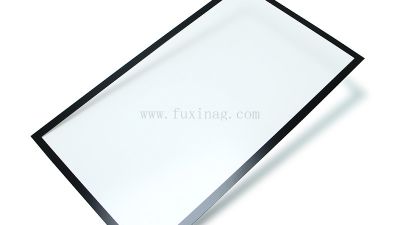
The outdoor user experience has become increasingly vital in today's digital age, as kiosks and interactive displays serve as central points of engagement for users. With the right technology, such as 32-55 inch anti-glare (AG) glass displays, cities, and businesses can ensure that their content remains readable under various environmental conditions. These displays are specifically designed to combat the challenges posed by sunlight, with an anti-glare coating that maintains crystal-clear visibility even in direct sunlight.
Durability is another key aspect of these outdoor displays. Constructed from tempered glass, they feature UV protection and a vandal-resistant design, making them ideal for high-traffic areas where wear and tear are inevitable. Whether used for signage, self-service terminals, or interactive kiosks, these displays allow for seamless user interaction while providing essential information in a robust, reliable format. The adaptability of custom sizes also ensures that different installation requirements can be met, enhancing the overall effectiveness of outdoor communication strategies.
FAQS
: Tempered glass is heat-treated, making it five to ten times stronger than regular glass.
It shatters into small, blunt pieces, reducing the risk of severe injuries.
Yes, it can handle rapid temperature fluctuations without breaking or warping.
It minimizes heat transfer, helping maintain a constant temperature and reducing energy costs.
Not always. Assess if the benefits align with your specific project needs.
Clean with non-abrasive materials and avoid extreme temperature changes.
Improper installation can lead to issues, despite the glass's inherent strength.
Wear and tear on seals and frames can affect insulation performance over time.
It resists impact and shattering, making it ideal for high-traffic areas.
Yes, improper handling or installation can lead to costly replacements or issues.
Conclusion
Tempered glass panels offer a multitude of benefits that make them an excellent choice for various projects. One of the most significant advantages is their enhanced safety features, which make them less likely to shatter compared to regular glass. Additionally, tempered glass panels exhibit improved durability and can withstand thermal stress and temperature fluctuations, making them ideal for both interior and exterior applications.
Moreover, these panels provide aesthetic appeal with design flexibility and various transparency options, contributing to modern architectural styles. Their energy efficiency also enhances insulation, reducing heating and cooling costs. Furthermore, tempered glass panels are easy to maintain, ensuring long-term usability. Lastly, the environmentally friendly manufacturing processes involved in creating tempered glass panels make them a sustainable choice for eco-conscious projects.