Yamywyh

Finding the right Glass Lens Camera Factories can actually be pretty tricky. The market is huge and pretty varied, so it’s not always straightforward. Each factory has its own unique quality and offers different services, which makes the selection process kind of overwhelming at times. Quality control? Yeah, super important. You’ve got your well-known brands, but also plenty of smaller players trying to make a name for themselves.
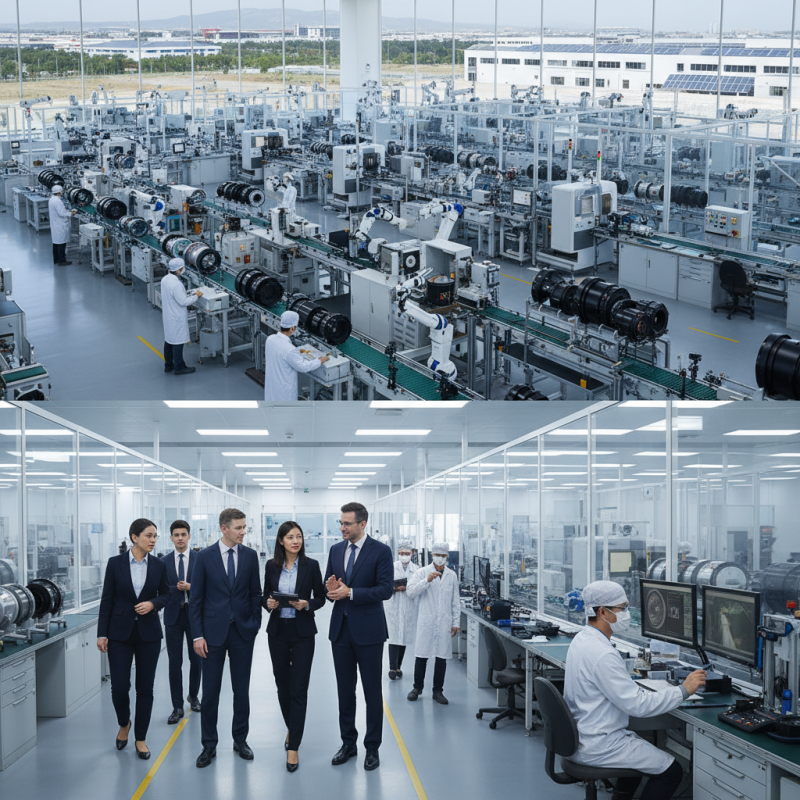
Traveling out to these factories definitely gives you a better sense of what’s really going on. Nothing beats seeing their production lines in person! It’s also a great way to build some trust—chatting face-to-face makes a big difference. You can actually see how committed they are to keeping standards high. Along with that, doing your homework online—checking reviews or case studies—is a must. Keep in mind, not every factory maintains the same level of quality.
Some might promise the moon but can’t quite deliver. That’s why asking the right questions is so crucial. Look for certifications or proof that backs up their claims. It’s also smart to compare samples from different factories—details really do matter here. Good communication can also hint at potential issues or weaknesses. Spending some time on your research? Totally worth it. After all, finding the right factory can really take your product to the next level.
Quality glass lenses are essential in photography. They can significantly affect the clarity and sharpness of images. When selecting a camera, the importance of a well-crafted lens cannot be overstated. A high-quality lens can enhance colors and provide better contrast, elevating the overall aesthetic quality of your work.
Tips for selecting glass lens manufacturers:
Many photographers might settle for cheaper options. This can lead to poor image quality and frustration. In photography, every detail matters. A lower-quality lens could warp colors or distort edges. Such mistakes can be challenging to correct during editing. Reflecting on these choices is vital; the lens is the heart of the camera. Choose wisely.
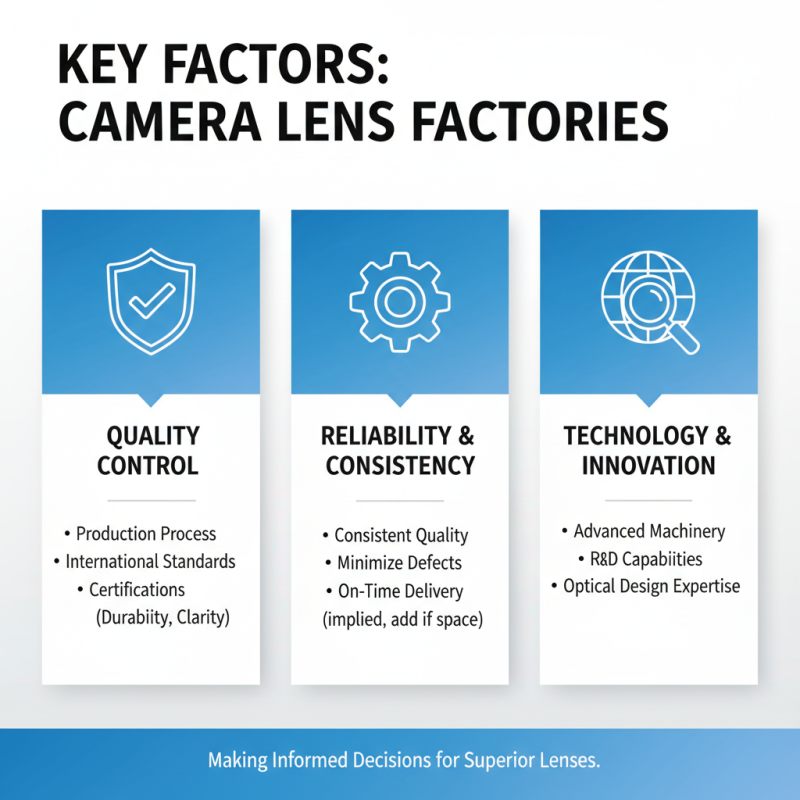
When selecting glass lens camera factories, key factors play a critical role in decision-making. Quality control is paramount. Research the factory’s production process and their adherence to international standards. Look for certifications that ensure lens durability and clarity. Reliable factories maintain consistency in quality while minimizing defects.
Workforce expertise is another essential factor. Skilled technicians and engineers contribute to superior lens production. A factory should have experienced staff who understand the intricacies of optics. Ask about training programs that keep their team updated on the latest technology and techniques.
Consider the factory’s capacity and flexibility. It’s vital to determine if they can handle large orders or customized projects. A factory that can adapt to your needs demonstrates reliability and commitment to customer satisfaction.
Tips: Always check for customer reviews and case studies. This provides insight into the factory’s reputation. Schedule factory visits if possible. Engaging directly offers a better understanding of their operations and quality assurance processes.
Finding the right glass lens camera factory requires thorough research. Start by identifying the manufacturers that specialize in glass optics. Many factories around the world produce high-quality lenses, but their specialties can vary significantly. Some might focus on precision optics, while others excel in producing high-refractive-index glass. China Glass Camera Lens manufacturers are known for their efficiency and innovation.
When examining different factories, request samples to evaluate the quality. Look for reviews and insights from others in the industry. This feedback can reveal both strengths and weaknesses. Consider the factory's production process and material sourcing. Sustainable practices can indicate a commitment to quality and ethics.
Here are some tips to help you: always check certifications that ensure quality standards. Visit manufacturing facilities if possible, to gain firsthand insights. Engage with the factory’s team, as their expertise can inform your decisions. Lastly, remember that not all manufacturers will meet your needs perfectly, so take time to reflect on what you prioritize most in a lens.
When searching for the best glass lens camera factories, evaluating factory certifications and quality control processes is essential. It’s reported that around 70% of lens defects arise from poor quality control (QC) measures. Reliable factories implement strict QC processes to assure product integrity and consistency. Ideally, a factory should have certifications like ISO 9001, which indicates their commitment to quality management systems.
In practice, many factories may claim to have stringent QC standards, but this varies widely. A reported 40% of buyers found discrepancies between advertised certifications and actual practices. Regular audits can enhance transparency. Factories should provide detailed quality reports, showing that they routinely test their products for clarity and durability. Engaging directly with previous clients can reveal valuable insights about a factory’s reliability and adherence to quality standards.
Investing time in verifying these processes is crucial. Not every factory can provide the reassurance you need. Look for certifications, but also seek testimonials. The fine details matter. Even small lapses in QC can lead to significant issues in product performance. Strive for an informed choice that prioritizes both quality and trust.
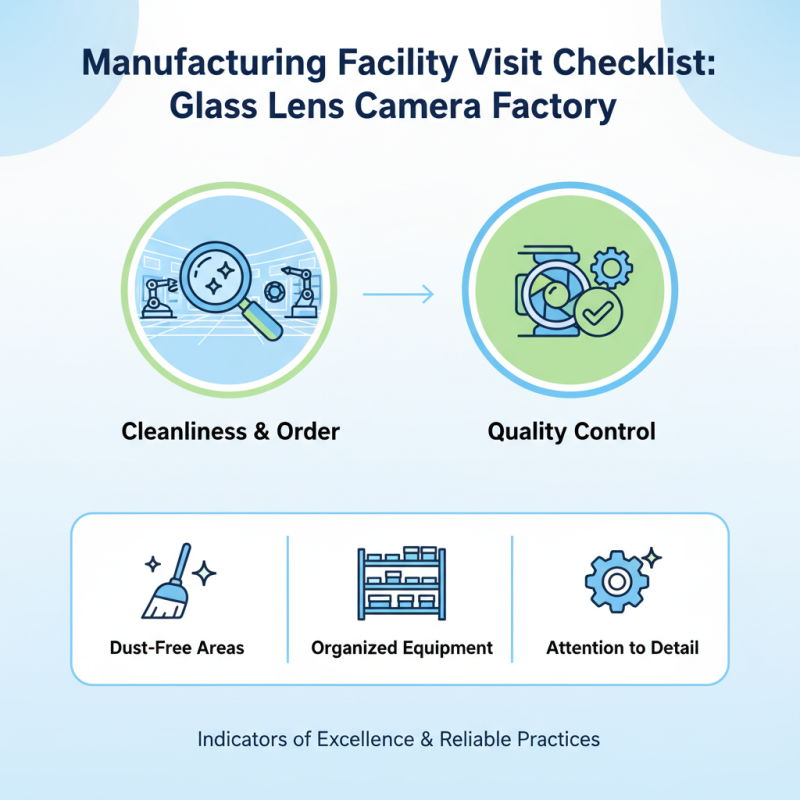
When visiting manufacturing facilities, it’s essential to know what to look for. First, observe the cleanliness and organization of the Glass Lens Camera Factory. A well-maintained facility often reflects quality control practices. Look for dust-free areas and orderly equipment. Small details matter, as they can indicate the factory’s commitment to excellence.
Examine the production process closely. Ask questions about the materials used in lens production. High-quality glass should be evident in both texture and clarity. Talk to the technicians about their methods. Understanding their expertise can shed light on their reliability. Check if they follow industry standards. This can help you gauge their credibility in the competitive landscape.
Pay attention to employee feedback. Happy workers often lead to better products. Engage in conversations about their training and work conditions. This insight can reveal the factory's culture and commitment to quality. However, some factories may present a polished facade but lack genuine craftsmanship. Reflect on these aspects. Investigating every layer of the Glass Lens Camera Factory will enable you to make an informed choice.
When searching for the best glass lens camera factories, comparing pricing and production capabilities becomes crucial. Different factories offer a range of designs and materials. Some focus on high-end Camera Lenses, while others specialize in more affordable options. It’s essential to gather data on each factory's production process to ensure quality meets expectations.
Understanding a factory's pricing structure can reveal much about its production capabilities. High prices often indicate advanced technology and skilled labor. However, not all expensive options guarantee superior quality. Some factories may overprice due to branding or marketing tactics. Exploring customer feedback can highlight these issues, providing insights into real-world performance.
Additionally, consider the factory's location. Factories closer to raw material sources can reduce costs. Conversely, shipping costs from distant factories might inflate overall expenses. It’s vital to weigh these factors thoroughly. A factory with a lower price but inconsistent quality may lead to long-term dissatisfaction. Engage with experts and read reviews to capture a comprehensive view of the landscape in the camera lens industry.
| Factory Location | Monthly Production Capacity | Average Price per Lens (USD) | Quality Certification | Lead Time (Weeks) |
|---|---|---|---|---|
| China | 50,000 lenses | $15 | ISO 9001 | 4 |
| Japan | 30,000 lenses | $25 | ISO 14001 | 6 |
| Germany | 20,000 lenses | $35 | ISO 9001, TUV | 8 |
| USA | 15,000 lenses | $30 | ISO 9001 | 5 |
| South Korea | 40,000 lenses | $20 | ISO 9001, KC | 3 |
When looking for the best glass lens camera factories worldwide, building strong relationships with manufacturers is crucial. These connections can foster collaboration and mutual growth. Understanding a manufacturer’s capabilities is just as important. Regular communication helps in gauging their expertise and reliability. Over time, repeated interactions build trust that is fundamental in this industry.
You might find that some manufacturers excel in producing specific lenses, like the Anti Glare Camera Lens. This specialization can cater to niche markets or unique projects, but it’s important to not overlook others. Diversifying your supplier base can mitigate risks. Yet, relying too heavily on one manufacturer can backfire if their quality declines. Always keep an eye on the evolving technology landscape in camera lenses.
Remember that relationships with lens manufacturers require effort and time. Attending trade shows, and exploring online forums can enhance your understanding of their work. Sharing feedback is essential too. It can lead to improvements and innovations. While establishing these connections, allow for mistakes and misunderstandings. They can offer valuable lessons. Flexibility and a willingness to adapt are key in creating long-lasting partnerships.
The demand for high-quality anti-glare glass has surged as various industries strive to enhance their display technologies. This remarkable material, ranging in thickness from 0.23mm to 5mm, is specifically designed to minimize reflections, significantly reducing eye strain caused by prolonged exposure to screens. The matte surface ensures exceptional clarity and visibility, even in environments with bright lighting, making it an invaluable asset for advanced display systems.
In applications where precision and clarity are paramount, such as in hospital equipment, chemical plant monitors, and various types of televisions and LCD displays, the benefits of anti-glare glass become even more pronounced. Its superior durability ensures reliable performance through challenging conditions, ultimately providing users with a more comfortable viewing experience. With the growing reliance on visual technology across diverse sectors, the integration of high-quality anti-glare glass stands out as a pivotal enhancement, promoting better health and productivity through improved screen interactions.
: Observe cleanliness and organization to assess quality control practices.
Happy workers often lead to better products. Their insights reveal factory culture.
Examine pricing structure and material used. High costs may mean better technology.
Relying too much can backfire if their quality declines unexpectedly.
Regular communication and attending trade shows can enhance collaboration and trust.
Factories near raw materials often have lower costs compared to distant ones.
Understanding their expertise helps gauge reliability and potential quality outcomes.
Yes, not all high-priced options guarantee superior quality. Always verify.
Sharing feedback can lead to improvements and innovations in products.
Some factories may present a polished facade but lack genuine craftsmanship.
Finding the best glass lens camera factories worldwide is crucial for photographers who prioritize quality in their equipment. Understanding the importance of high-quality glass lenses is the first step, as they significantly impact image clarity and performance. Key factors to consider when choosing a factory include the manufacturer’s specialization, certifications, and quality control processes, which are vital for ensuring consistent product standards.
Researching global glass lens manufacturers involves evaluating their production capabilities and pricing, as this helps in making informed decisions. Additionally, visiting manufacturing facilities can provide insights into their processes and quality assurance measures. Building long-term relationships with these lens manufacturers is essential for fulfilling future photography needs, ensuring a reliable supply of quality products that meet evolving demands in the industry.